
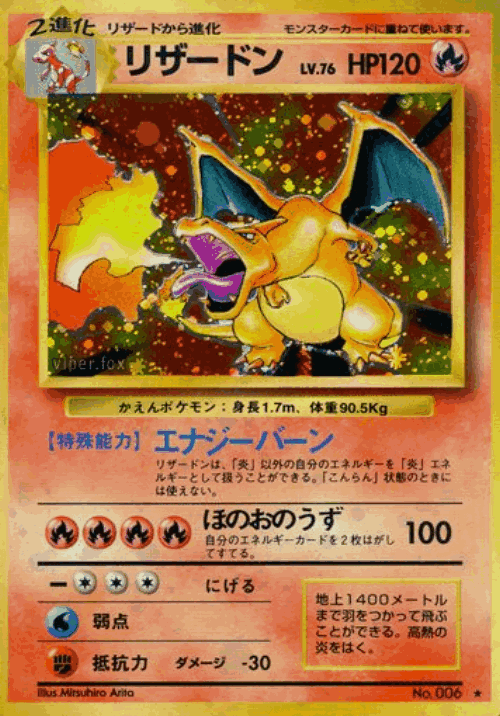
October 20, 1996: where it started
The Pokémon Card Game launched in Japan on October 20, 1996, eight months after Pokémon Red and Green. It was developed by Creatures and published by Media Factory, and it came out as two products on the same day: a Starter Pack with everything two players needed to learn the game, and the first Expansion Pack.
The first set held 102 cards: 69 Pokémon, 26 Trainers and 7 Energy. Sixteen of the Pokémon were holo rares, and those 16 are still among the most famous cards the game has ever printed.
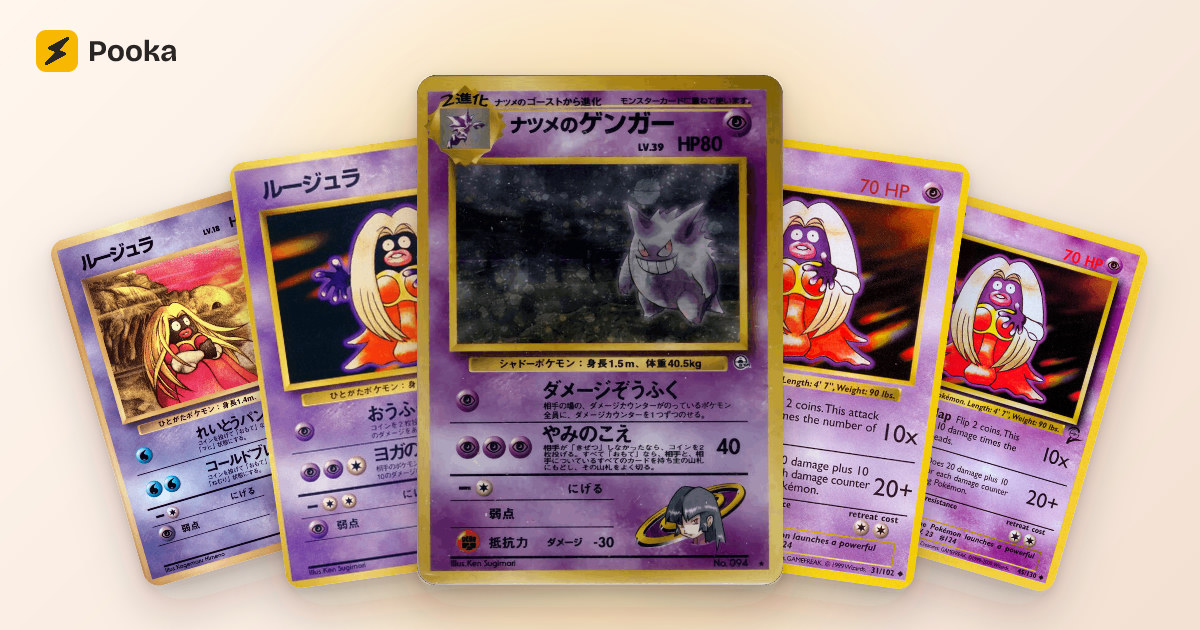
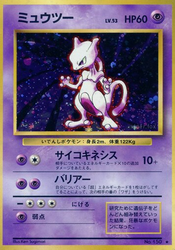
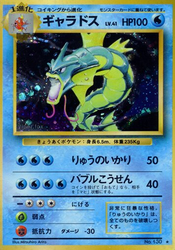
Holos from the first Japanese set
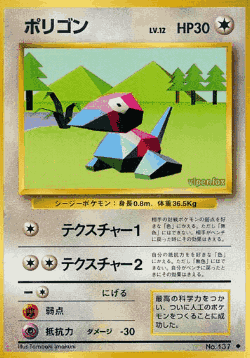
The 1996 Japanese prints. On Pooka the set is called Expansion Pack.


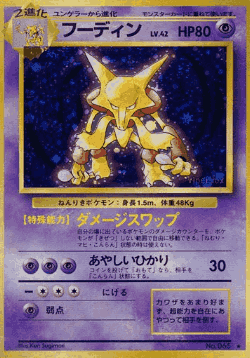
How to read a 1996 Japanese card
The first Japanese cards have no card number. The number at the bottom right is the Pokédex number, so Charizard reads No. 006 and Trainer and Energy cards have no number at all. There is no set symbol either, which is why collectors simply call it the Japanese Base Set.
Next to the Pokédex number sits the rarity: a circle for common, a diamond for uncommon and a star for rare. The very first print run left that symbol off, and Japanese collectors prize these "no rarity" cards the way English collectors prize 1st Edition. All of them share the original card back, which Japanese collectors call the old back.
Four artists drew the whole set
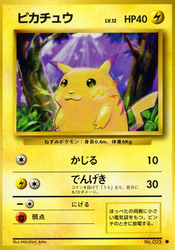
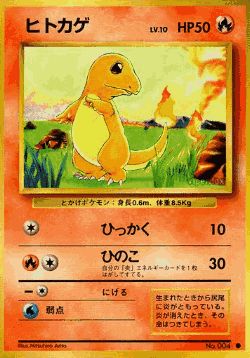
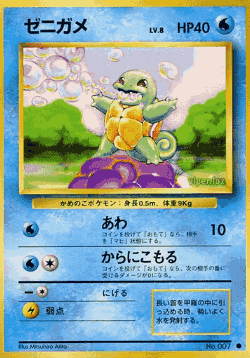
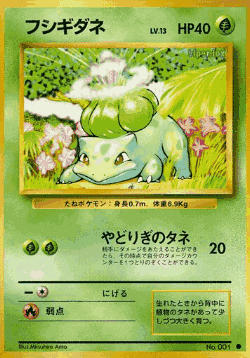
Every Pokémon and Trainer in the set was drawn by one of four people. Mitsuhiro Arita drew Charizard, Venusaur, Gyarados and the Pikachu that became the face of the game. Ken Sugimori, who designed the original Pokémon, drew Blastoise, Mewtwo and most of the other holos. Keiji Kinebuchi drew most of the Trainers, and Tomoaki Imakuni drew Porygon.
Thirty years later, Arita's Pikachu, Charmander, Squirtle and Bulbasaur from this set are still the versions many collectors picture first.
The starters and Pikachu, 1996
The English version: Base Set, January 9, 1999
Wizards of the Coast brought the game to the United States on January 9, 1999. Base Set has the same 102 cards and the same artwork as the Japanese set, translated into English, but it adds what the Japanese cards lacked: a card number printed as 4/102.
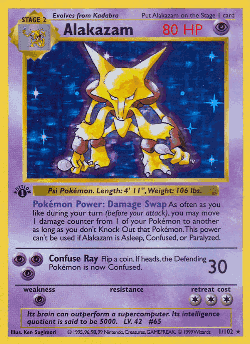
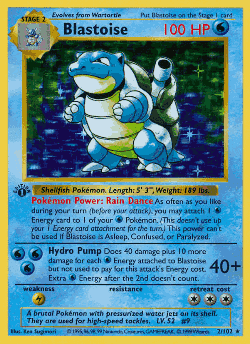
Wizards also reordered the set by rarity. The 16 holos come first, alphabetically from Alakazam at 1/102 to Zapdos at 16/102, followed by the other rares, the uncommons, the commons, the Trainers and the Energy. That is why the Japanese Charizard is No. 006 and the English one is 4/102.
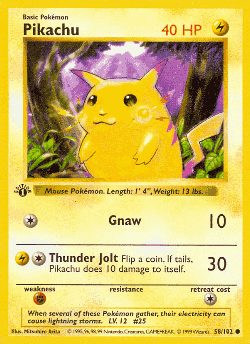
The first English print run carried a 1st Edition stamp next to the picture. After that came the Shadowless print without the stamp, and then the Unlimited print, which added a drop shadow to the picture frame. For the same card, 1st Edition is the most wanted, then Shadowless, then Unlimited.
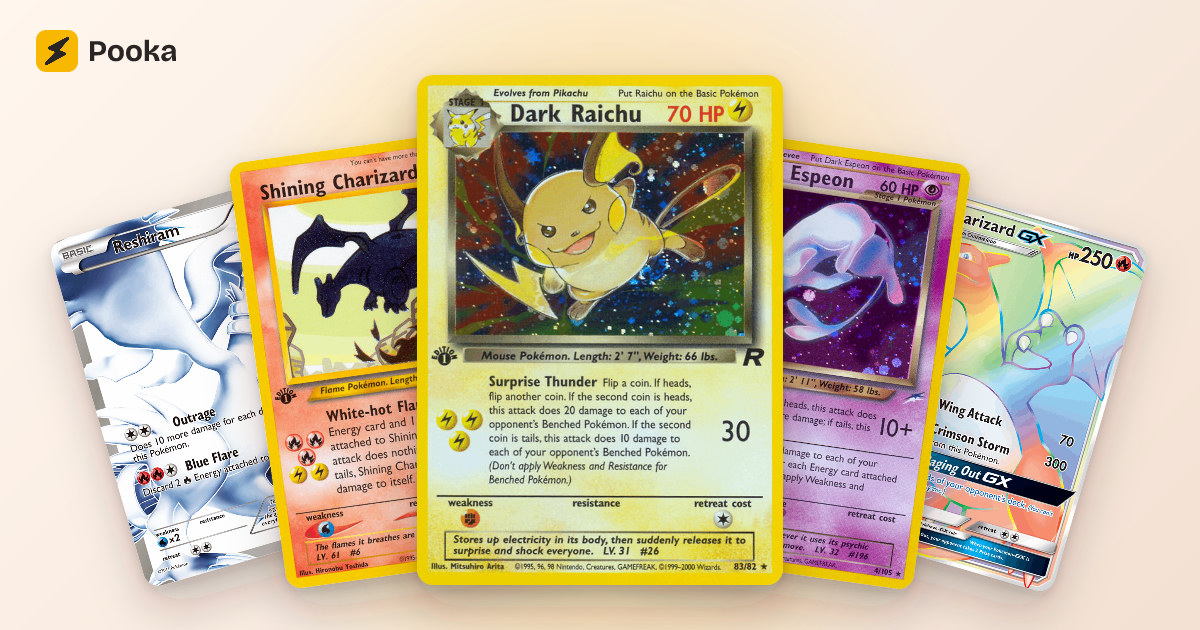
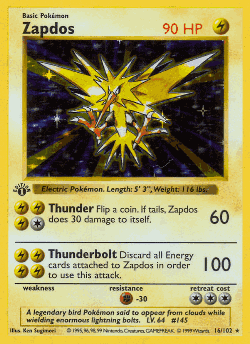
All 16 Base Set holos
The English holos, numbered 1 to 16 in Base Set.
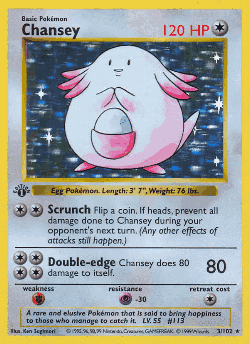
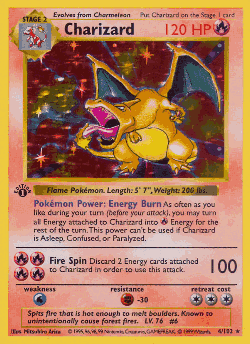
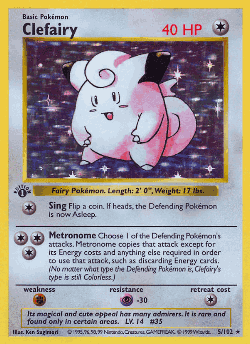
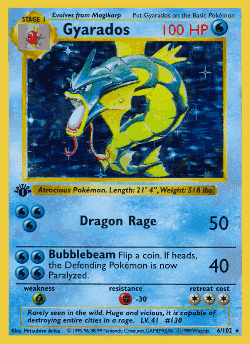
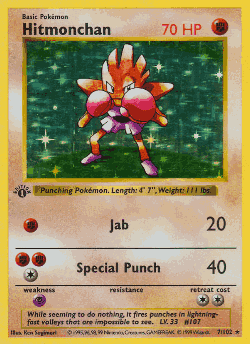
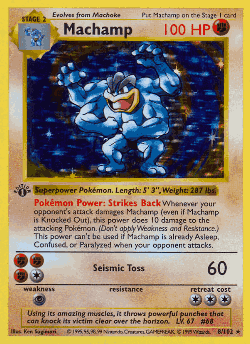
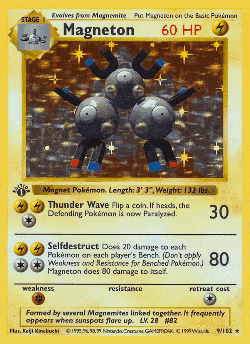
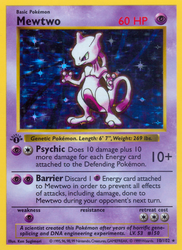

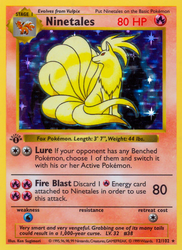
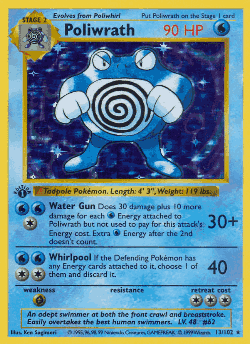
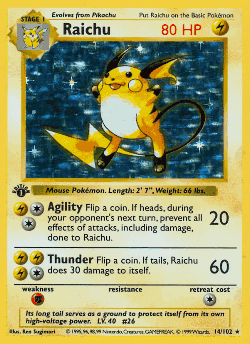
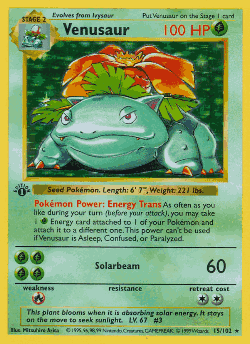
Same card, two languages
Put a Japanese and an English Charizard side by side and the art, the attacks and the 120 HP match. What gives the language away is the text, the number at the bottom right (a Pokédex number on the Japanese card, 4/102 on the English one) and the back of the card.
Japanese and English side by side
Thirty years later
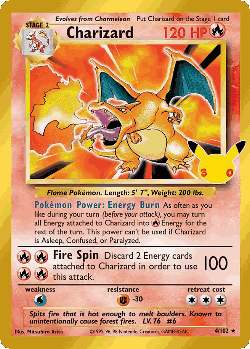
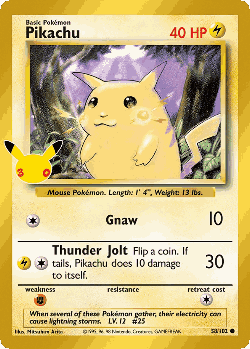
Pokémon itself turned 30 on February 27, 2026, the anniversary of Pokémon Red and Green. The card game follows on October 20. To mark it, the 30th Celebration set came out worldwide on September 16, 2026, and the oldest cards in its Classic Collection are two from 1996: Arita's Charizard and Pikachu, reprinted with a gold border and a 30th anniversary Pikachu stamp.
The 30th Celebration set and its Classic Collection each have their own guide on Pooka.
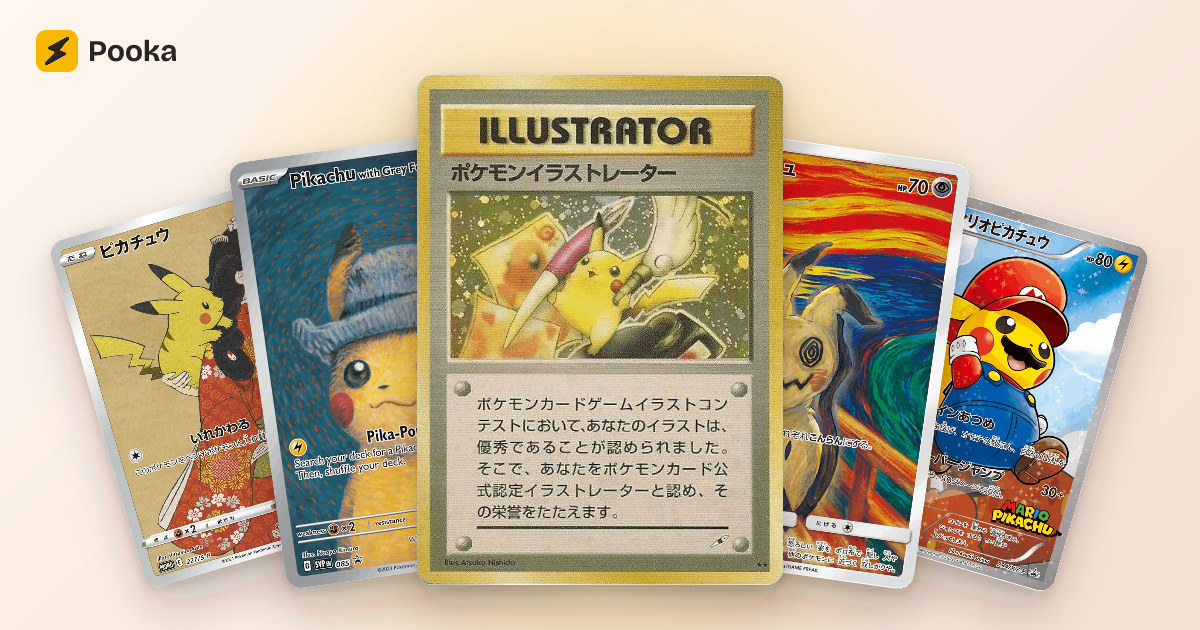
The 1996 cards, reprinted in 2026
Collecting the first set today
If you want the true first print, look for a Japanese card without a rarity symbol. If you collect English cards, Base Set 1st Edition is the equivalent. Either way, condition decides the value as much as the print does, so check the corners, the edges and the holo surface before you buy.
Both sets are on Pooka with every card listed: Expansion Pack for the Japanese cards and Base for the English ones. Track the cards you own in the Pooka app.