 Pooka
Pooka
The Rainbow Island
The first half of the collection, cards 1-9, forms the "Rainbow Island" scene. This illustration depicts a serene meadow under a bright blue sky, with a prominent rainbow arching overhead. The artwork style is noticeably softer and more painterly than the standard Ken Sugimori 3D models or anime stills of the era.
At the center of this scene is the Mythical Pokémon Mew, floating playfully above the field. Surrounding it are fan favorites from the Kanto and Johto regions like Togepi, Ivysaur, and Pidgeot, all enjoying a peaceful day in paradise.
Rainbow Island Highlights
Cards 1-9 connect to form the meadow scene under the rainbow.
The Tropical Island
The second half, cards 10-18, creates the "Tropical Island" scene, a lush riverside and beach setting. This panorama is vibrant with greens and blues, capturing the feeling of a summer vacation.
Here, Water and Grass types dominate. Marill plays by the riverbank, Vileplume basks in the sun, and Lickitung... well, Lickitung is being Lickitung. The cohesive art direction makes the entire set feel like a single, unified world rather than a random assortment of monsters.
Tropical Island Highlights
Cards 10-18 connect to form the riverside jungle scene.
Collector Guide: Binder vs. Singles
For collectors, the "Southern Islands" set is unique because the original binder itself adds significant value. A complete set of 18 cards without the binder might sell for $200-300 depending on condition, but a complete set with the original decorative folder and postcards can command $500+.
The most valuable single card is undoubtedly Mew, which often accounts for 30-40% of the set's total value. When buying raw copies, look out for "binder dings": many of these cards were stored in the original ring binder for 20+ years, often resulting in circular indentations on the inner edge.
A Unique Release Format
In Japan, these cards were released in two distinct sets (the "Rainbow" and "Tropical" folders), packaged with postcards and artwork. In English, they were released as a complete boxed collection, including a special binder specifically designed to showcase the panoramic art.
Because they were never sold in randomized booster packs, the distinction between "Common," "Uncommon," and "Rare" didn't really apply, though the holofoils (Mew, Pidgeot, Onix, Ivysaur, Vileplume, Ledyba, Marill, etc. had specific reverse-foil treatments in English) made some pop more than others. Today, finding a complete set with the original binder is a nostalgic trip back to the optimistic era of Pokémon's global expansion.
All cards in this guide
| Card | Set | Rarity | Released | |
|---|---|---|---|---|
 | Mew #1 | Southern Islands | 2001 | |
 | Pidgeot #2 | Southern Islands | 2001 | |
 | Togepi #4 | Southern Islands | 2001 | |
 | Ivysaur #5 | Southern Islands | 2001 | |
 | Onix #3 | Southern Islands | 2001 | |
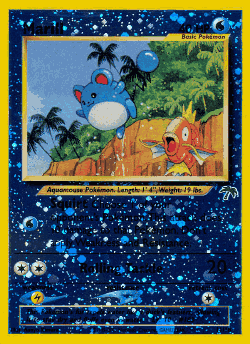 | Marill #11 | Southern Islands | 2001 | |
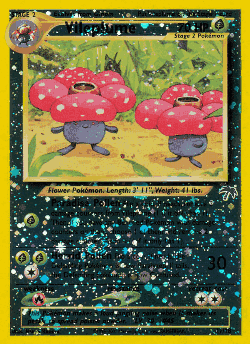 | Vileplume #17 | Southern Islands | 2001 | |
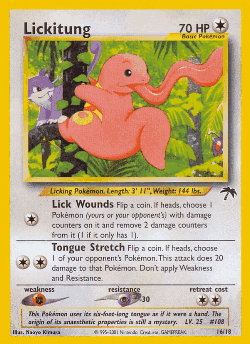 | Lickitung #16 | Southern Islands | 2001 | |
 | Lapras #12 | Southern Islands | 2001 |